Tarmac Driveway Maintenance Guide in Ireland (2026)
Tarmac Driveway Maintenance Guide: Keep It Looking New for 20+ Years in Ireland
In Ireland's wet and humid climate, a tarmacadam driveway needs regular maintenance to keep it looking good for a long time. Sweep away any accumulated dirt and leaves at least once a week to prevent moss or algae from growing. Apply a good-quality bitumen-based tarmac sealer every 3 to 5 years. This will keep the driveway looking black and will stop water from seeping through.
If small cracks appear, repair them immediately with cold-pack pitch; the water that has accumulated in the winter will freeze and make the cracks worse. If oil or fuel is spilt on the driveway, wash it off immediately with detergent. Avoid placing heavy vehicles or skip containers directly on the tarmac. If these simple rules are followed, a tarmac driveway will last for over 20 years in excellent condition, even in the Irish climate.
Why Tarmac Driveways Age Faster in Ireland
The weather in Ireland, especially in Galway and the West Coast, is quite challenging for tarmac driveways. The excessive rainfall, strong winds and humidity are the main enemies of tarmac. Bitumen is the material that holds the stones together. But when water continuously accumulates on the driveway, it gradually reduces the adhesion of the bitumen. As a result, the stones start to loosen, which we technically call " ravelling.
The problem is exacerbated in winter due to the freeze-thaw cycle. When rainwater seeps into small cracks or pores in the tarmac, and the temperature drops below freezing at night, the water turns to ice and expands in volume. This internal pressure causes the cracks to widen and deepen, which then creates large potholes.
It’s not just rain that can damage tarmac, but the intense UV rays of summer can also damage it. Sunlight oxidises or dries out the bitumen, making the driveway less flexible and losing its original black colour to grey. When rainwater and shade combine in this dry and brittle condition, Irish moss and weeds quickly take over. They use their roots to loosen the deeper layers of tarmac. Milestone Driveways’ long experience has shown that without proper drainage and regular maintenance, even the best driveways can be ruined in just a few years in the Irish climate.
The 12-Month Tarmac Maintenance Calendar
This 12-month maintenance calendar, based on the variability of Irish weather, will help protect your driveway:
| Season | Task | Frequency | DIY or Professional |
|---|---|---|---|
| Spring (March to May) | Moss and weed control, light washing | Once a year | DIY (can be easily done at home) |
| Summer (June to August) | Tarmac Sealing, Repair of Large Cracks | Once every 3-5 years | Professional or experienced DIYer |
| Autumn (Sep to Nov) | Leaf cleaning, drainage channel checking | Every week | DIY |
| Winter (Dec to Feb) | Ice cleaning, alternative use of salt | As needed | DIY |
- Spring preparation: Moss infestations on driveways increase in the spring after the winter's dampness. Moss should be removed at this time using an appropriate biocide.
- Summer opportunities: The dry days from June to August are the best for tarmac sealing. At least 24 to 48 hours of completely dry weather is required for sealing.
- Autumn warning: If fallen, wet leaves remain on the tarmac for a long time, an acid called tannin is released and moisture accumulates, forming moss. Therefore, regular sweeping is necessary.
- Winter care: Do not use excess sodium chloride or rock salt to melt ice. This weakens the bitumen bond inside the tarmac. Use a plastic shovel to remove ice, metal shovels can cause scratches.
Weekly and Monthly Cleaning Checklist
The key to a beautiful driveway is regular cleaning. The type of care may vary slightly depending on the location and use of your driveway:
- Weekly tasks: Clean the entire driveway with a stiff brush or broom. Do not allow fallen branches, leaves, and dust from plants to accumulate.
- Monthly inspection: Carefully inspect the area around the driveway, especially where there is a lot of shade or drainage. Look for any oil stains or weeds growing.
Special tips for different environments:
- Shaded driveway: Moisture lingers in areas where sunlight doesn't reach. Scrub these areas monthly with a mild detergent and water to prevent slimy moss from building up.
- Coastal areas (such as Wexford or Waterford): The salty air and sand on the coast can create a corrosive layer on tarmac. It is a good idea to spray and wash the entire driveway with plain water at least once a month. The Milestone Driveways Wexford and Milestone Driveways Waterford teams advise that wash-downs are very effective in increasing the durability of driveways in coastal areas.
- High-traffic driveway: Tire marks or scratches are more likely to appear in areas where the car is constantly moving. Check under the car every month for any leaks or fluid drops.
How To Remove Moss, Algae, and Weeds Without Damaging Tarmac
Moss and liverwort infestations are common on tarmac driveways in Ireland's wet climate, but using the wrong methods to remove them can cause significant damage to the driveway.
Many people use bleach or acid directly as a home remedy. While bleach temporarily kills moss, it burns away the bitumen, the main component of tarmac, leaving the driveway rough and grey. Alternatively, spraying it from close range with a very powerful pressure washer can cause the tarmac stones to come off under the intense pressure of the water.
The right solution (DIY vs. professional):
- DIY method: Buy a tarmac-safe and non-acidic 'moss killer' or biocide (such as one that does not contain sodium hypochlorite) from the market. Spray it on the driveway and leave it for a few days. When the moss has dried and turned brown, scrub it off with a stiff broom.
- Professional Treatment: If the moss roots are deep in the tarmac, it is wise to hire a professional driveway cleaning service. They use industrial-grade biocides and appropriate thermal or soft-washing methods, which prevent moss and weeds from regrowing for a long time without causing any damage to the tarmac.
How To Deal with Oil Stains, Fuel Spills, and Tyre Marks
The biggest chemical enemies of tarmac driveways are petrol, diesel and engine oil. Tarmac is made from bitumen, which itself is a petroleum by-product. According to the laws of chemistry, similar substances dissolve each other. So when oil or fuel falls on tarmac, it melts the bitumen and the driveway becomes soft and sticky, like a sponge.
What to do immediately if you spill oil:
1. Absorbed: As soon as you spill the oil, soak it up with a cloth, cat litter, or sawdust. Be sure not to rub, as this will spread the stain further.
2. Detergent use: Apply a generous amount of liquid dishwashing soap or washing powder to the stain. Rub gently with a brush in slightly warm water (not too hot or boiling water).
3. Rinse: After a while, wash the area with clean water.
If the oil has penetrated too deeply and softened the tarmac, it cannot be covered by ordinary sealing. In that case, the damaged area will have to be cut out and repaired with new cold-patch asphalt. Normal tyre marks caused by heavy vehicle braking or wheel rotation, however, will lighten on their own over time and with regular rainwater.
When and How to Seal a Tarmac Driveway
Tarmac sealing is a protective layer for your driveway. It not only enhances the beauty of the driveway, but also protects it from water and harmful UV rays.
When to seal?
A new tarmac driveway should not be sealed for at least 12 to 18 months after installation. This is because the natural oils within the tarmac take time to dry and set completely. After that, it is ideal to seal the driveway every 3 to 5 years. In Ireland’s climate, sealing should be done on a dry day between May and August, when the air temperature is at least 10°C, and there is no chance of rain in the next 24 hours.
| Driveway Age | Current condition | Recommended Action |
|---|---|---|
| 1–2 years | New, slightly lighter color | No sealing required, let it set naturally |
| 3–8 years | Gray color, fine hairline cracks | Clean thoroughly and apply 1 or 2 coats of bitumen-based sealer |
| 8–15 years | Large cracks, loose stones | Repair the cracks first, then use a professional restorer sealer |
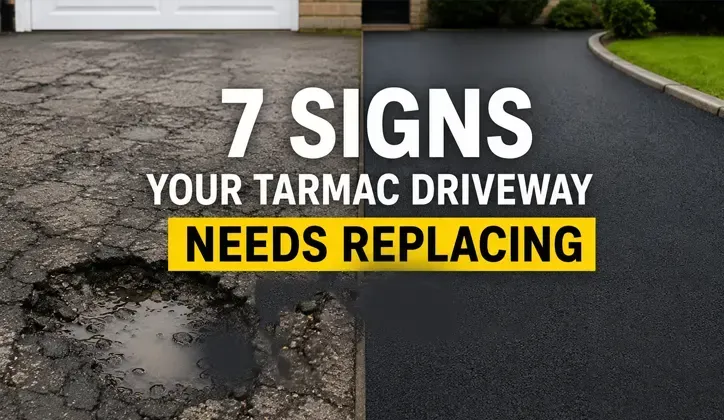
| 15+ years | Extensive potholes, drainage failure | The ceiling will not work. Full or partial resurfacing is required |
When purchasing sealer, avoid cheap acrylic paints. Always use a high-quality bitumen restorer (such as RoValMap or Asphalt Sealer) to restore lost oil to the tarmac.
Small Cracks vs Full Resurfacing: How to Decide
When you have a problem with your driveway, it's important to know when to repair it yourself and when to rebuild it. One wrong decision can cost you a lot of money. Here's a simple guideline from Milestone Driveways Tarmacadam Services' long experience in this regard:
- Small Cracks: If the crack is less than 2 millimeters wide, you can easily fix it yourself with 'Tarmac Crack Filler'.
- Medium cracks and holes: If the crack is a little larger but limited to a specific area, it is possible to cut out that area and fill it with new tarmac.
- Resurfacing: If alligator cracking is visible throughout the driveway and the base of the driveway is still solid, the top 1-2 inches of tarmac can be removed or a layer of new tarmac can be laid over it. This is called resurfacing. It is much more cost-effective than building a completely new driveway.
| Type of problem | DIY Repair | Professional Repair | Complete Replacement |
|---|---|---|---|
| Fine hairline cracks | Yes (with crack filler) | No need | No |
| Deep pothole or hole | No | Yes (Cold/Hot Patching) | No |
| Cracks like spider webs | No | Yes (resurfacing) | No |
| Collapse of the base or underground foundation | No | No | Yes (completely new build) |
How Much Does Tarmac Driveway Maintenance Cost in Ireland?
Knowing the cost of maintaining a driveway is useful for budget planning for Irish homeowners. The calculation below will make it clear how small investments at the right time can save you big costs in the future.
Current maintenance costs (estimated):
- DIY Moss Killer and Cleaning: €30 to €70 (per year)
- DIY Sealing Kit (Sealer + Brush): €80 to €150 (once every 3-5 years)
- Professional Sealing and Repair Services: €400 to €1,200 depending on the size of the driveway.
Financial comparison of maintenance vs. complete replacement (20-year calculation):
Let's say you have a medium-sized (50 square meters) driveway.
- If you don't do any maintenance, tarmac will wear out in Ireland's weather in 8 to 10 years. A completely new driveway will then cost around €3,500 to €5,000. This cost can double in 20 years. To get a more detailed idea of this, you can check out the Milestone Driveways Tar and Chip Cost Ireland guide, which will help you compare the costs of different driveway materials.
- On the other hand, if you have professional sealing every 4 years and regular minor repairs, your total cost over 20 years will be the highest. €1,500 to €2,000.
In other words, by doing maintenance at the right time, you can save at least 50% of money in the long run and ensure the life of the driveway for more than 20 years.
Common Mistakes That Shorten a Tarmac Driveway's Lifespan
The team at Milestone Driveways often sees some common mistakes customers make while working in the field. These mistakes quickly shorten the life of the tarmac:
1. Pressure washing in the wrong way: Washing with a high-pressure nozzle too close to the tarmac can break the bond of the bitumen and separate the stones. Always use a fan-spray nozzle and wash from at least 12 inches away.
2. Using extra salt (Rock Salt) in winter: While salt does not directly damage tarmac, it does speed up the freeze-thaw cycle, which indirectly causes cracks.
3. Placing heavy loads on the edge of the driveway: The edge of the tarmac is the weakest part. If the edge is not properly supported, the tarmac will collapse if a heavy vehicle is parked there.
4. Ignoring diesel or oil spills: If oil is not cleaned up immediately after it spills, it will permanently soften and damage the tarmac.
FAQs about Tarmac Driveway Maintenance Guide
How often should you reseal a tarmac driveway?
In the Irish climate, tarmac driveways should be resealed every 3 to 5 years. However, do not seal for the first 1-2 years after a new driveway is laid, as the bitumen takes time to set naturally.
Is pressure washing safe for tarmac driveways?
Yes, but be careful. Using too high pressure and a narrow nozzle can loosen the tarmac stones. Use a fan-tip nozzle and wash from a safe distance from the driveway.
Can you tarmac over old tarmac?
Yes, it's called resurfacing. If the base or foundation under the old driveway is solid and intact, it is possible and quite economical to put a new layer of tarmac on it. However, if the base has collapsed, it is better to do it all over again. You can find out more details in the article Milestone Driveways Tarmac Replacement Signs.
When should you replace a tarmac driveway entirely?
When the base or underground soil of the driveway collapses and forms large waves, the drainage system is destroyed, and deep holes are created throughout the entire driveway, then sealing or resurfacing does not work. Then a complete replacement is required.
How long before you can drive on a new tarmac driveway?
After installing a new tarmac driveway, vehicles should not be driven or parked for at least 3-5 days in normal weather. In the summer, it is best to extend this period by 1-2 days, as tarmac takes time to fully harden.
Should you seal your driveway?
Sure. Sealing creates a waterproof layer over the tarmac, protecting the driveway from Irish rainwater and winter ice and doubling its lifespan.
How long does a tarmac driveway last in Ireland?
If tarmac is laid with a proper sub-base and regularly cleaned of silt and moss every 3-5 years, a tarmac driveway can easily last as good as new for 20 to 25 years, even in the Irish climate.
Contact us today for professional driveway maintenance services at competitive prices anywhere in Ireland.